
The Doctor Who Speaks Two Languages and Two Healthcare Systems
A conversation with Dr. Ryuichiro Sasae, Director of International Healthcare at NTT Medical Center Tokyo, on what changes when a physician has practised on both sides of the world.
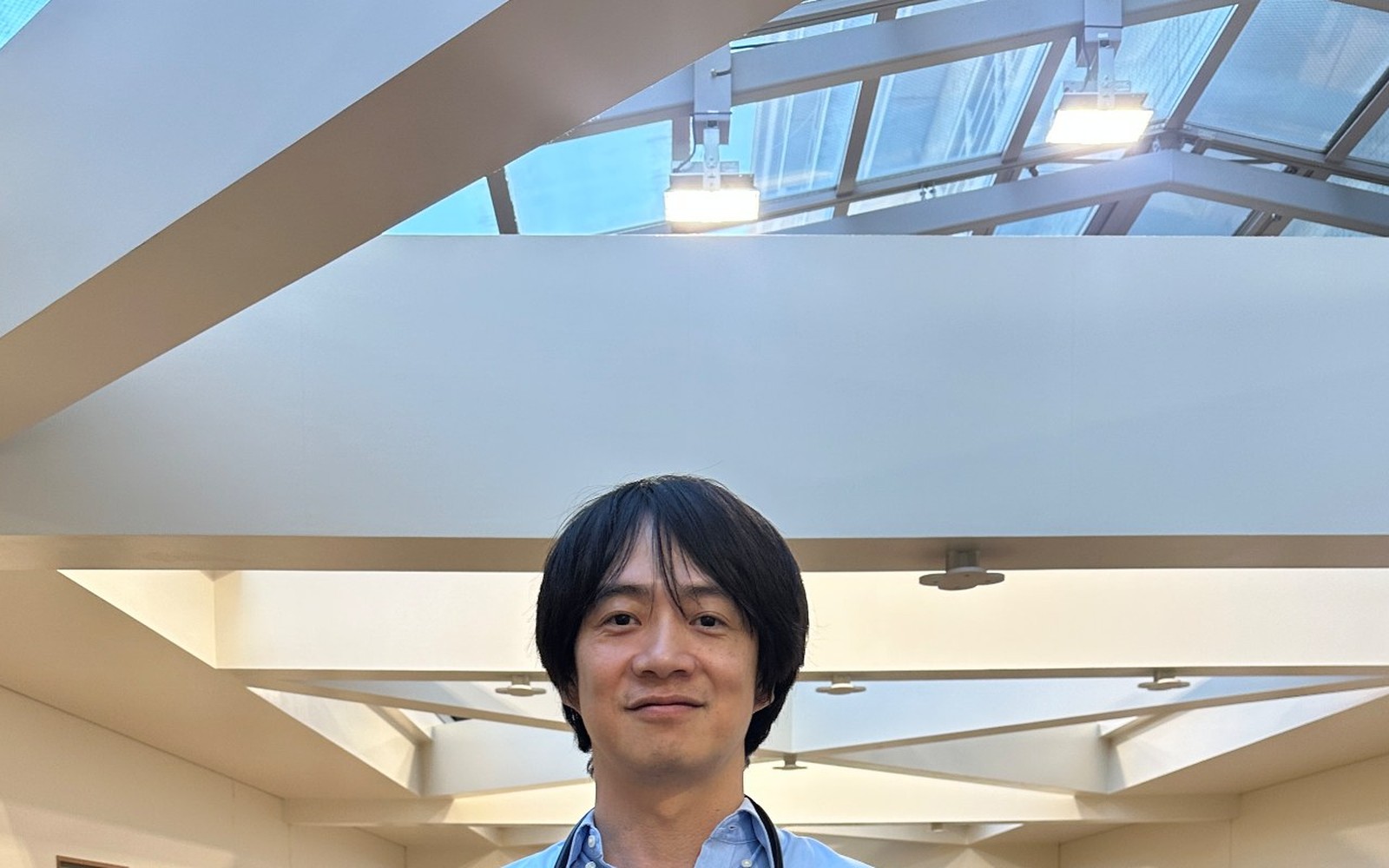
Healthcare is usually discussed in terms of technology, rankings, and clinical outcomes. Yet the greatest differences between health systems are often the least visible ones: how physicians communicate, how care is coordinated, and the philosophy that shapes each patient interaction.
Dr. Sasae has seen those differences from the inside. He spent 24 years in the United Kingdom, where he was educated and trained in family medicine, earning membership of the Royal College of General Practitioners at Nottingham in 2010 before returning to Japan. He now directs the Department of International Healthcare at NTT Medical Center Tokyo and holds a clinical professorship at Tokyo Healthcare University. In a recent conversation with Nippon Health, he described how that dual experience continues to shape the care international patients receive here.
Continuity as a starting point
British general practice is built on continuity. The family physician is usually a patient's first point of contact, and those relationships can span decades, sometimes several generations of the same family. The role extends well beyond diagnosis. GPs act as guides, helping patients work through complex decisions while accounting for the psychological and social factors that shape health alongside the physical ones.
That orientation still governs how Dr. Sasae works. Even inside one of Japan's leading hospitals, he begins with the person rather than the condition.
"In general practice you learn that the presenting complaint is rarely the whole story. That habit doesn't leave you, whatever system you're working in," he says.
Two systems, two different strengths
Japan's health system is organised very differently from most Western ones. Western systems concentrate coordination in the hands of a general practitioner, who manages referral and follow-up. Japan gives patients direct access to specialists, advanced imaging, and comprehensive testing with remarkably short waits. A referral that might take months elsewhere can often be arranged the same day.
Dr. Sasae is careful not to describe either arrangement as simply better. Each buys something at the other's expense. Japan's model delivers speed and access. The British model delivers continuity and a single physician holding the whole picture. Patients moving between the two frequently need help understanding what has changed, and what they may now need to manage themselves.
"Patients arriving from abroad often have very fast access to expertise here, and no one obvious to help them join it up. That gap is where a lot of my work sits," he says.
Communication as clinical skill
Consultation styles differ as much as system design does. Expectations about who leads the conversation are not universal: some patients expect the physician to direct the encounter and offer information only when asked, while many patients from Western countries arrive anticipating an open dialogue, asking detailed questions and expecting to participate actively in decisions about their care.
For a physician who has worked in both settings, adapting becomes second nature. Listening matters as much as explaining; understanding how a patient wants to communicate matters as much as understanding their symptoms.
This is the foundation of NTT Medical Center Tokyo's Department of International Healthcare. English-speaking physicians and nurses, experienced interpreters, coordinated specialist referrals, and dedicated patient support are all directed at the same goal: ensuring communication never becomes a barrier to good care. What might otherwise feel like an opaque hospital system becomes a guided one.
The demand is growing quickly. International patient visits to the department have risen from roughly 2,700 a year to more than 15,000 over the past four years.
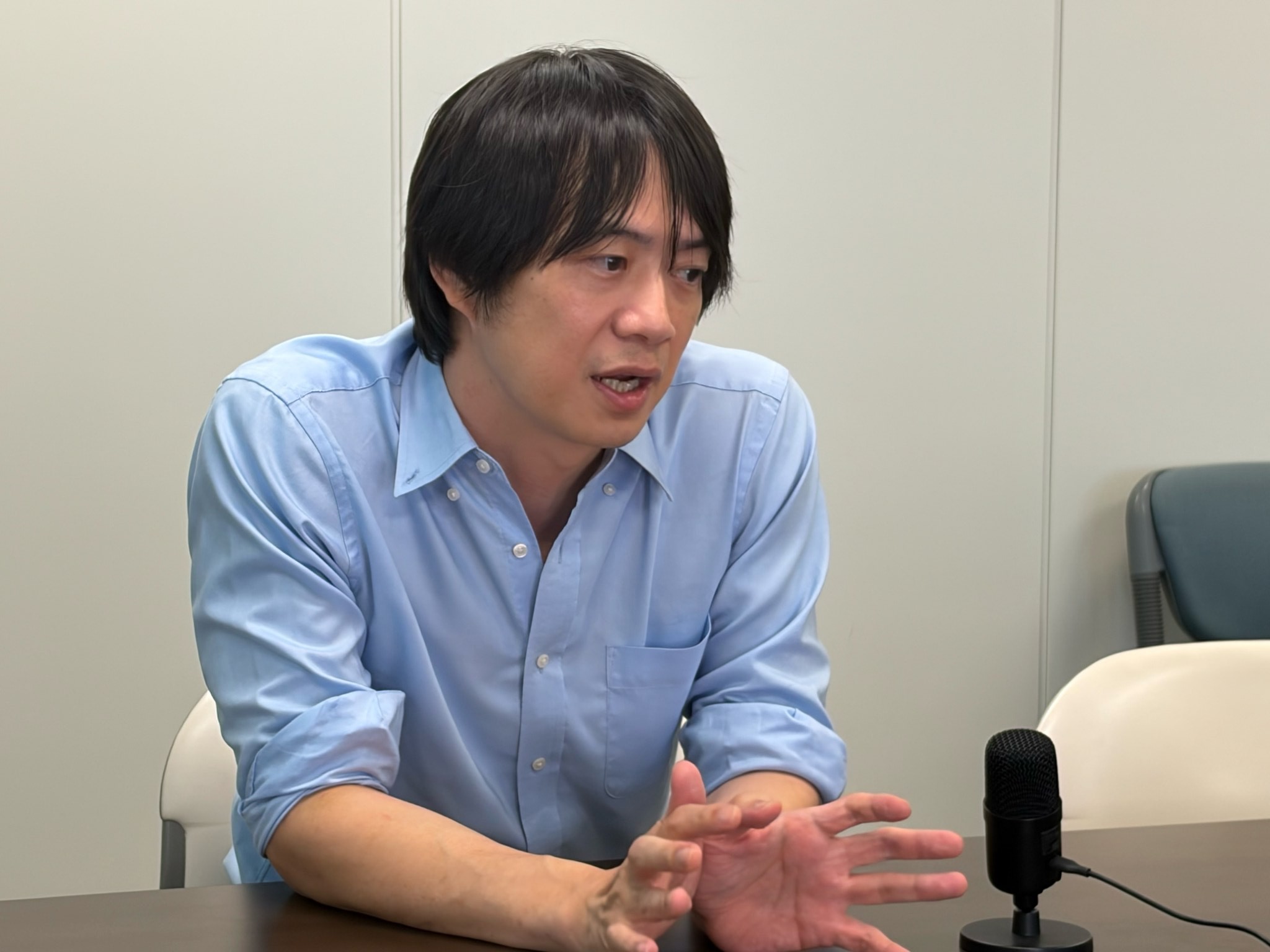
Prevention, and what it can reasonably claim
Japan invests heavily in preventive medicine. Annual health screenings and comprehensive examinations such as the Ningen Dock reflect a system designed to identify disease before it becomes symptomatic. For several cancers, gastric cancer in particular, where Japan's endoscopic screening programme is among the most developed in the world, earlier detection is associated with meaningfully better outcomes.
Dr. Sasae is measured about how far that argument extends. Japan's life expectancy is among the world's longest, but it reflects many factors, including diet, low rates of obesity, and universal health coverage; screening is one contributor among several rather than the explanation. What screening does offer, where the evidence supports it, is time, the chance to intervene while a condition is still straightforward to treat.
"Screening is a tool, not a guarantee. Used well, for the right conditions, it buys people years. It's worth being precise about which ones," he says.
A shared standard
Nippon Health's role is not simply to connect international patients with leading hospitals in Japan, but to build relationships with institutions and physicians committed to thoughtful, patient-centred care. Working alongside partners such as Dr. Sasae and the team at NTT Medical Center Tokyo, we hope to make Japan's approach to healthcare more accessible to patients around the world, and to help them understand their own health well enough to make informed decisions about it.