Inside Ningen Dock: A US Physician's Perspective on Japan's Preventive Healthcare
Japan's approach to preventive healthcare changed the way I think about medicine. My experience with the Ningen Dock revealed what I believe American healthcare has been missing.
Featured Physician: Dr. Robert Peterson
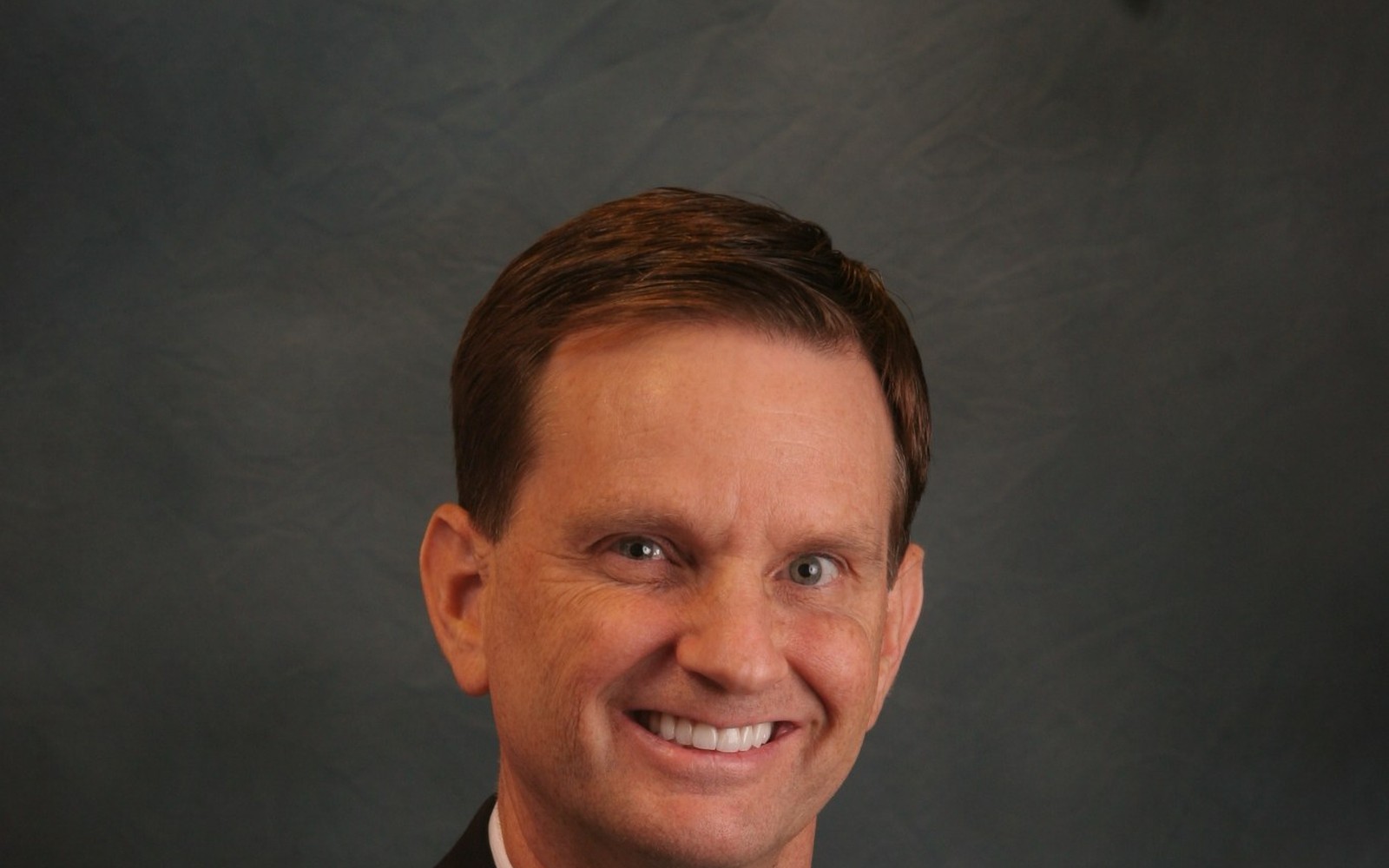
I have spent my whole career advocating for my patients to get examined before a serious problem arises. There's a particular irony in giving this advice for a living and never truly experiencing it myself. I built my practice and wrote my books on longevity around the idea that aging well is a matter of attention paid early, rather than damage repaired late. It is always best to get something inspected before it completely breaks, so I flew to Tokyo and lived out this philosophy myself. For one morning I stopped being the physician and stepped into the gown of the patient I spend my days trying to serve.
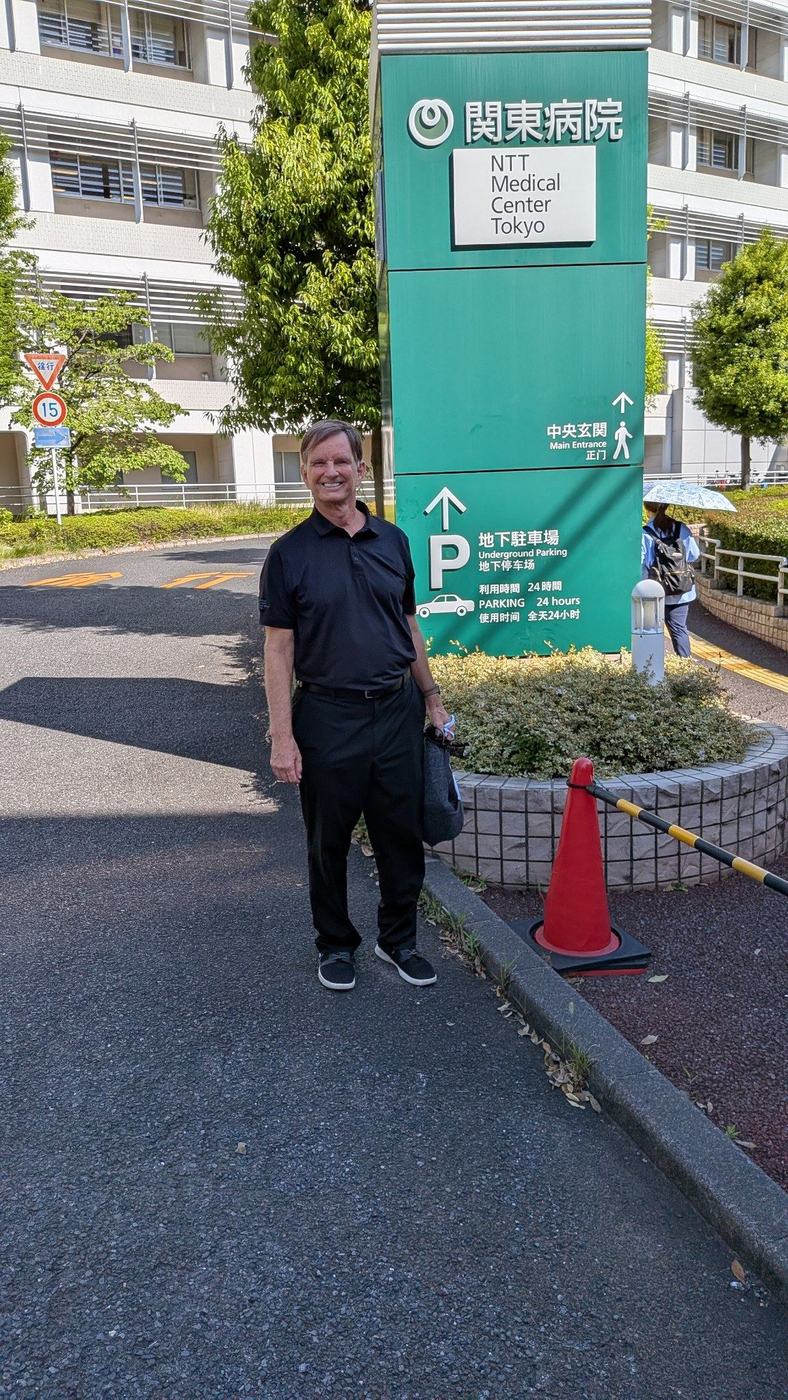
Japan is a destination where I knew that I could trust the system, equipment, and the doctors' expertise. I visited NTT Medical Center Tokyo, a short walk from the ordinary commuter stop Gotanda Station. In Japan they offer what is called the Ningen Dock, the so-called "human dry dock". It's the kind of comprehensive checkup a person schedules the same way one might get a routine oil change for a car or bring a ship into port for inspection. I had come to do exactly the same thing, but for my health.
A Masterclass in Patient Experience
My visit was arranged through Nippon Health, a service built to make these examinations accessible to patients from outside Japan. It's a bridge to NTT's quality, efficiency, and hospitality for people who would otherwise never find this service. The day started the way any checkup would: you trade your street clothes for a gown. I was excited to see what the Japanese way of health and longevity really could offer me.
I was guided the whole way through, from every waiting room to every office. I never felt confused, never wandering a corridor hunting for the screening. What really surprised me was the efficiency of it all. It functioned like an assembly line, a sequence of rehearsed steps that, strangely, gave me comfort. It was clear they were confident in their processes and proud of their level of service. It never felt like a hospital, more like a personalized experience: polite, efficient, clean, and hospitable.
Communication as Care
The Japanese culture was captivating and striking, but I quickly realized that navigating a comprehensive medical examination conducted entirely in Japanese would have been extremely difficult without a fluent guide. One aspect of the experience stood out in particular: the quality of the medical interpretation. Through Nippon Health, the service that arranged my visit, I was paired with an excellent personal interpreter who remained with me throughout the day. As a physician who understands some Japanese, I was especially impressed by the interpreter's skill in translating complex medical terminology. She made it easy for me to describe my symptoms and questions, without anything getting lost or misunderstood.
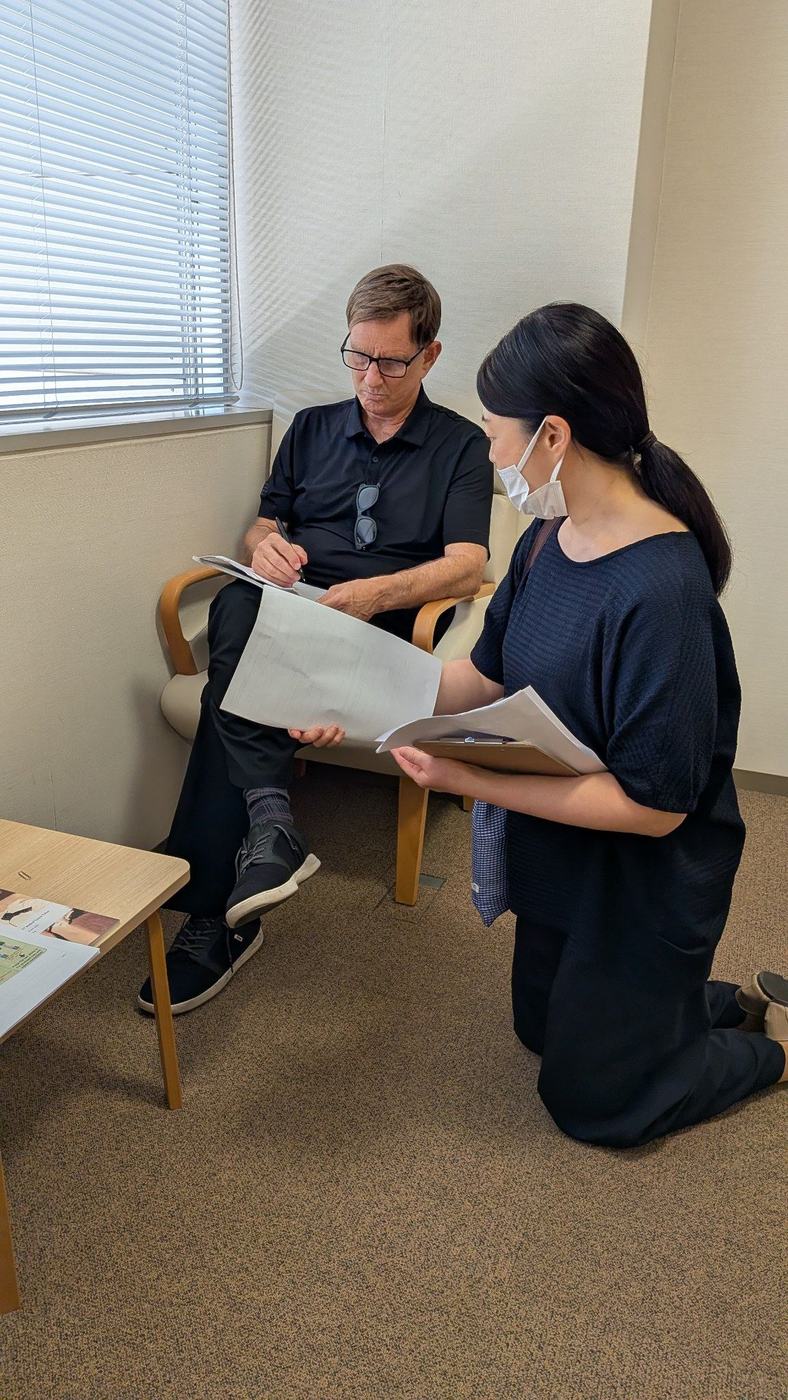
My guide explained each examination and test, and reviewed the results in a way that made the entire experience both educational and worry-free. The clinicians at NTT Medical Center were warm, professional, and outstanding in their fields, but having a knowledgeable, fluent companion throughout the process transformed what could have been an overwhelming day into a seamless and reassuring experience.
The Anatomy of a Ningen Dock
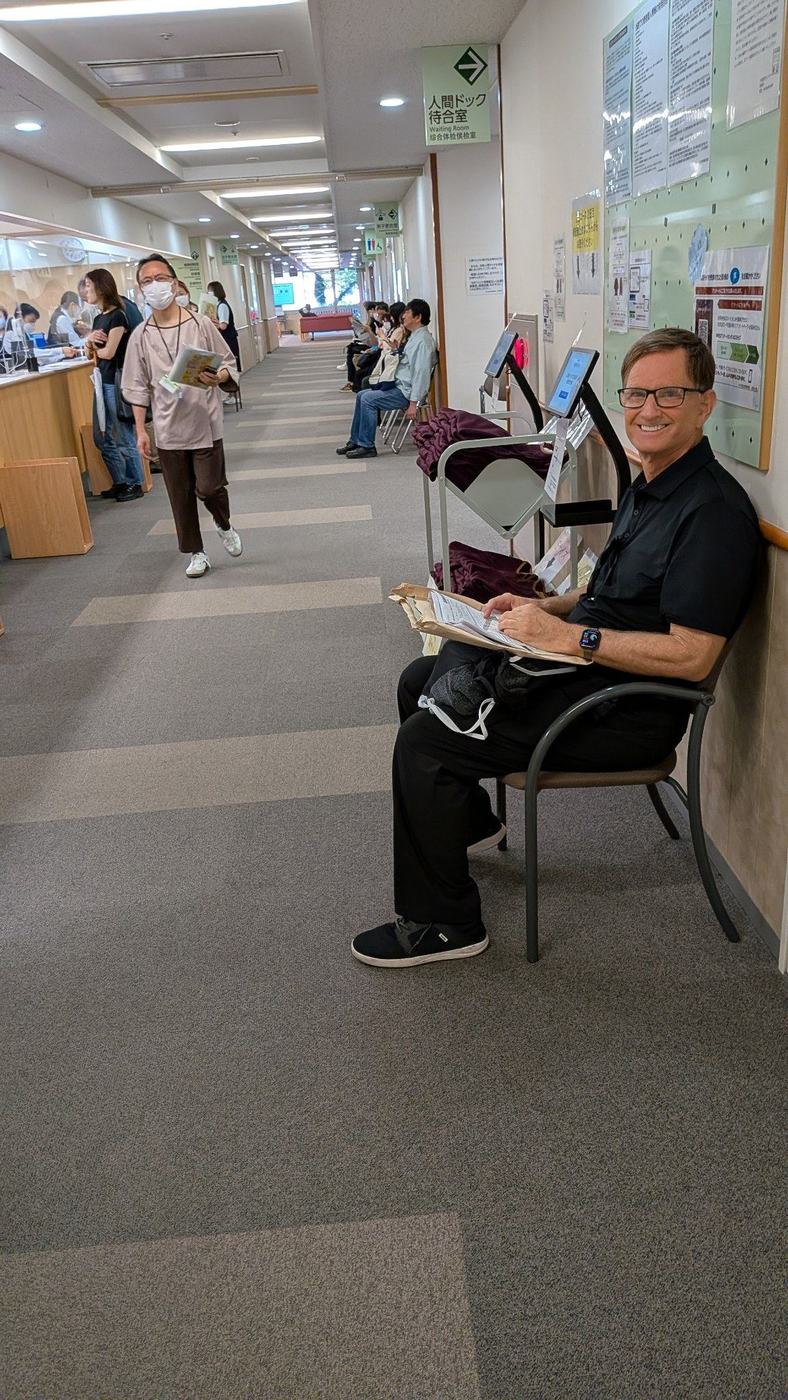
The testing moved through a sequence from vital signs to height, weight, and hearing, then a consultation with a nurse to take my history. I would single out this conversation, in hindsight, as one of the genuine high points of my day. Talking with the nurse was unhurried, attentive, and thorough in a way these intake conversations rarely are. Following that, I moved to imaging, bloodwork, and upper GI endoscopy under sedation. I was able to receive my results for my CT scan, ultrasound, MRI, and every other test that same day. This is real and holds true value, a type of comprehensive checkup that would seem unachievable in all aspects in most healthcare systems.
What America Gets Wrong About Preventive Care
The greatest weakness of preventive care in the United States is not the quality of our medicine but the system fragmentation. A comprehensive health assessment becomes a series of referrals, appointments, insurance approvals, and follow-ups spread across multiple providers, creating enough friction that many patients postpone or abandon screening altogether. Even with electronic medical records, I have seen results be delayed, overlooked, and lost between practices. Insurance often compounds the problem by covering tests only after symptoms appear, while preventive screening leaves patients facing unpredictable out-of-pocket costs. Unlike Japan's Ningen Dock, there is no one-stop screening program in the United States. Instead, patients must piece together a comprehensive evaluation across multiple providers and appointments. I would confidently refer a patient to Japan for a robust, high-quality health screening that provides a strong foundation for a personalized, holistic treatment plan.
A Healthcare System Built for Prevention
While countries like Thailand and South Korea have established themselves as leading medical tourism destinations, Japan distinguishes itself through its unwavering focus on preventive care rather than treatment alone. Yobō iryō is Japan's commitment to preventive medicine. Instead of attracting patients with lower costs or elective procedures, the country embodies a healthcare system centered on early detection. For those seeking not just medical care, Japan offers a deeper understanding of their long-term health that is difficult to find anywhere else in Asia.
More Than a Checkup
I greatly aligned with Nippon Health's foundational backbone, introducing the Ningen Dock. What Ningen Dock offers is not a relationship in the traditional sense of healthcare, but a system that is standardized, efficient, humane, and refined over decades. It establishes a clear health baseline before illness ever develops, a philosophy I've spent years advocating for in my own practice. I left with a same-day interpretation of my results and a short list of things I would add for myself next time. It provided a level of insight and discovery I have yet to find in the United States, even as a longevity doctor myself.
The Real Lesson in Longevity
I was not expecting the trip itself to change the way I think about my own health and aging, but it did in a genuinely intriguing way. What Tokyo gave me was a revealing experience: a simple morning where I unlocked the whole map of my health. There's a recurring theme in the search for the secret to longevity. The real lesson in longevity is not about chasing more years, but about understanding your body well enough to navigate the years ahead with clarity.