Insights from a Japanese neurosurgeon: Why meticulous, individualized care defines Japanese medicine?
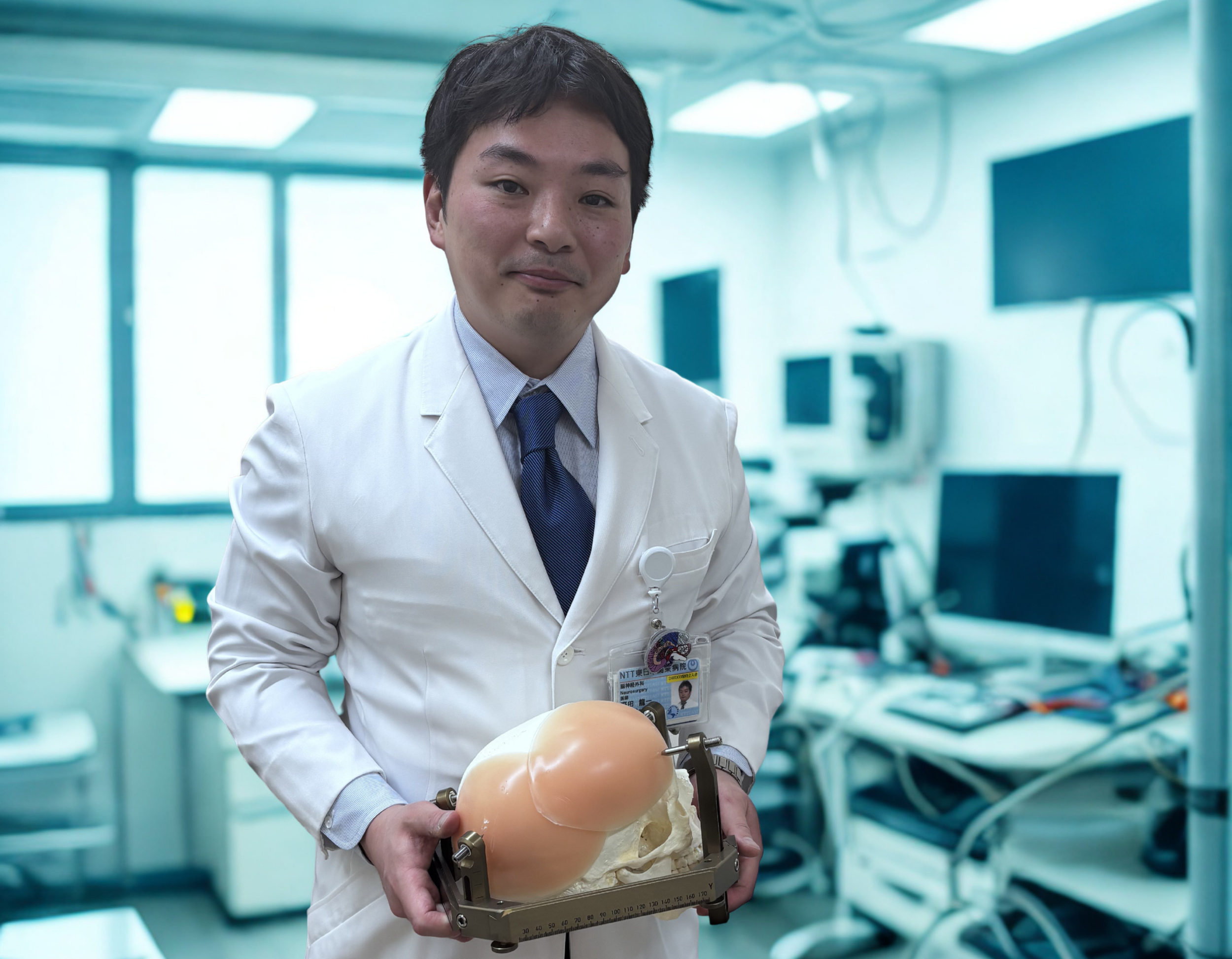
In an era of rapid digital innovation and automated diagnostics, what truly defines top-tier healthcare? At the NTT Medical Center Tokyo, located in the heart of Tokyo, Dr. Ryuichi Noda - an internationally-trained neurosurgeon specializing in complex vascular conditions - believes the answer lies at the intersection of world-class technical precision and deeply empathetic, individualized patient communication.
Featured Physician: Dr. Ryuichi Noda, Department of Neurosurgery
To start, could you share your background? What motivated you to become a doctor?
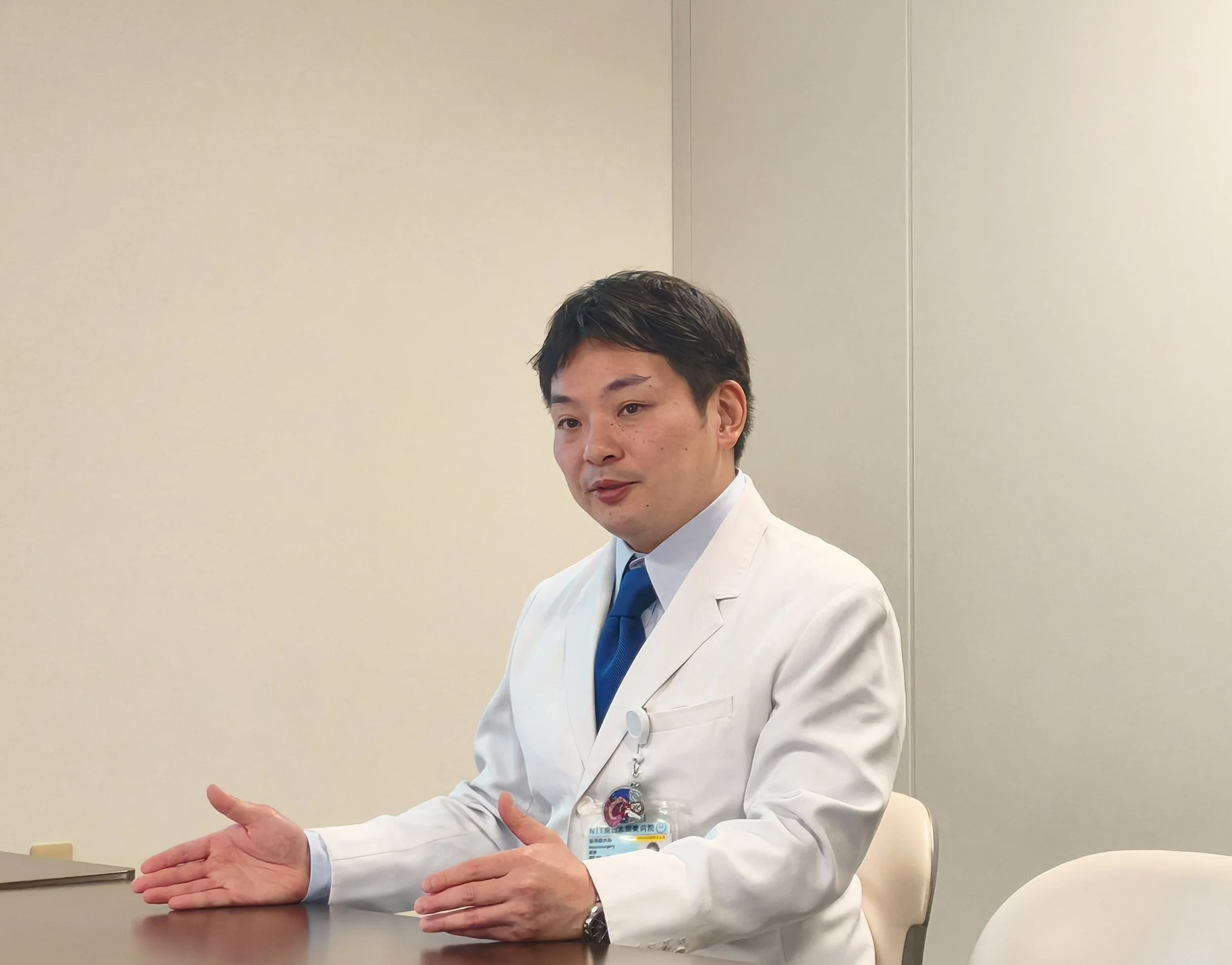
Dr. Noda: I graduated from Yokohama City University in 2013 and then did my residency at the Tokyo Metropolitan Hiroo Hospital and the National Center for Global Health and Medicine (NCGM) from 2013 to 2019 because I wanted to see international patients. After I finished my residency, I came to NTT Medical Center and have been a specialist in the Neurosurgery and International Healthcare departments since.
When I was just a child, my father’s work took us to Hong Kong, where I once was hospitalized with enteritis. I remember feeling incredibly anxious since I couldn’t communicate in the local language. Then, a doctor walked in and simply said, "Hello" and "It's going to be okay” in Japanese. Those few words completely put my mind at ease and made me realize how a doctor could support patients through communication, marking a major catalyst for my career.
NTT Medical Center Tokyo is highly regarded for radiation therapies like Gamma Knife. Why is a neurosurgeon’s involvement so critical for a non-surgical treatment? What is your primary clinical focus within the department today?
Dr. Noda: Our department sees roughly 300 Gamma Knife treatments per year. For Gamma Knife, the biggest thing is that we don't have to 'cut.' It's less invasive. Gamma Knife allows us to target a lesion with pinpoint accuracy. We can treat areas deep in the brain that surgery simply can't reach. Gamma Knife was actually developed by neurosurgeons, and you need our specialization. After all, neurosurgery is complex and requires choosing between, or combining, direct surgery, endovascular catheter treatment to where you’re threading wires through blood vessels to "plug" the malformation, as well as Gamma Knife.
How did you accomplish this?
Dr. Noda: Understanding all three treatments takes an immense amount of time, but I wanted to let patients know about every possible option in our department. Same as how Japan is known for Gamma Knife, I did a clinical fellowship at the University Hospital of Limoges in France to train in endovascular catheter procedures because Europe was known for it, so that I can bring comprehensive knowledge and determine the most appropriate treatment for our patients.
Is Gamma Knife a major draw for international patients coming to Japan?
Dr. Noda: It should be, Japan has around 50 Gamma Knife machines nationwide. I believe there are few Gamma Knife machines in Vietnam. I haven't seen the specific facilities there myself, but my friend used to work in Cambodia—the infrastructure just isn't the same. I toured three of the five Gamma Knife facilities in France last year, and even so, I realized that Japan has the cutting edge equipment and techniques. It’s not necessarily that we do things differently than every other hospital at NTT, but we do have the latest imaging equipment, which allows for incredibly precise work.
You have treated many international patients. How do they perceive the style of Japanese medical care?
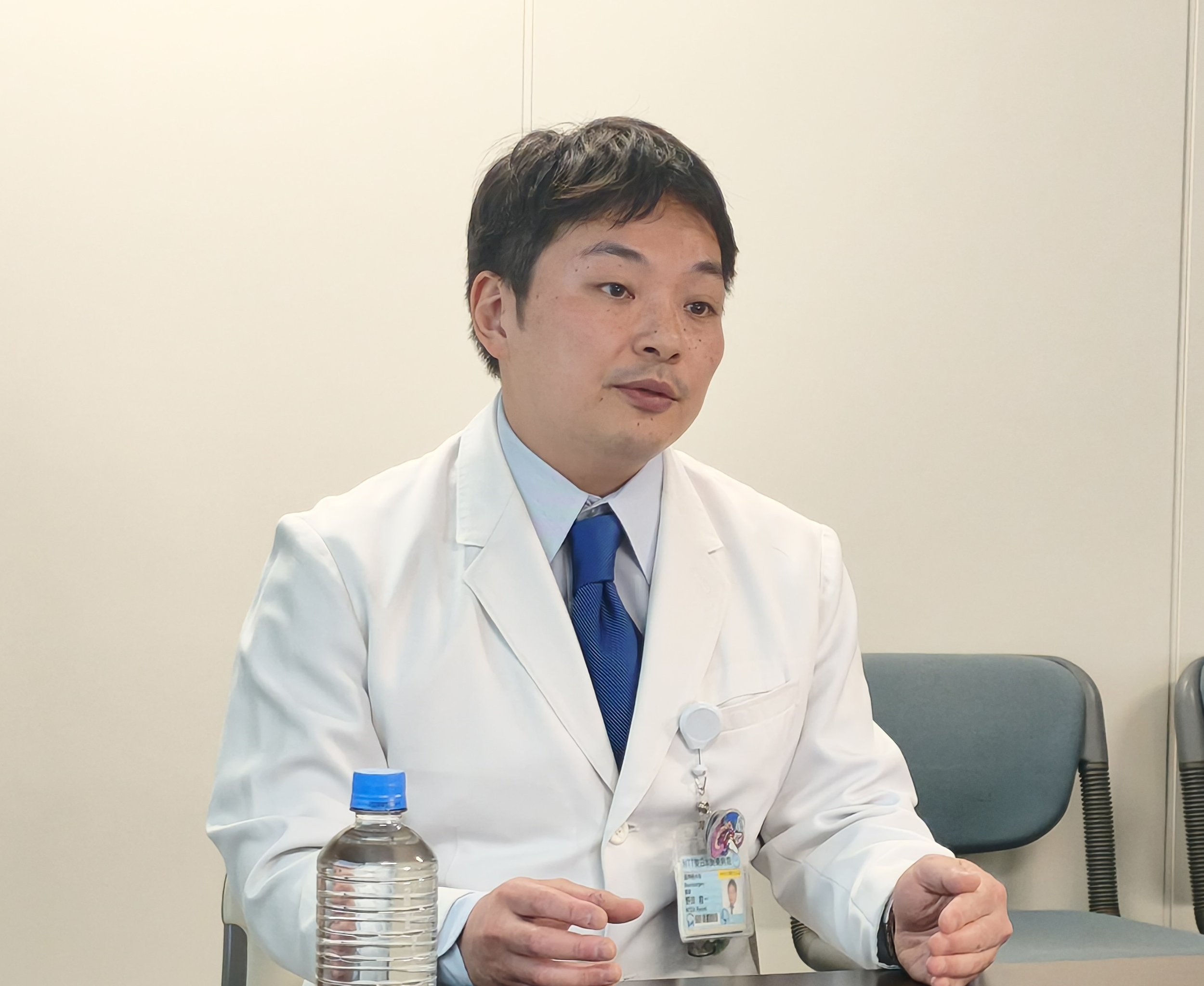
Dr. Noda: International patients are often deeply moved by the level of communication here. For example, I had a patient diagnosed with aneurysm in the U.S., but he was essentially just handed a lab report; no one explained the pathology or risks. During my consultation, I did what I consider my basic daily job: I walked him through his images, explained the risks of a hemorrhage, and told him what symptoms to watch for, or when to have an MRI scan. He told me that he felt like a mere data point on a report back home, but he finally understood his condition here. In Japan, that is the bare minimum a doctor should do, but to a foreign patient, that thorough explanation is incredibly valuable.
How does the structural approach to recovery and follow-up differ between Japan and Western nations?
Dr. Noda: Follow-ups can be quite loose in the West. We might ask them to come every six months for a complete follow-up like Ningen Dock. The same applies to hospital stays. Locals here sometimes complain that a two-night, three-day stay for a cerebral angiogram is too long. Yet Western patients view this as a luxury, when systems back home are so rushed that they are pushed out the same day so that the hospital can save money. Hence, Japan's ability to offer a certain, meticulous, and securely monitored recovery is a massive selling point for international patients
You also host and train medical professionals from overseas, right?
Dr. Noda: Yes, for many years. I have hosted students from France through the French Embassy. We've recently also welcomed specialists from Egypt, Slovakia, and Russia who want to see the neurosurgical techniques of our department. They are impressed to see how organized everything in the hospital is and that we have a separate Department of International Healthcare specialized in taking care of international patients. I’m trilingual, so I conduct the training directly in English or French, so that the clinical precision and technical nuances of the Japanese are communicated clearly.
For an international patient looking at options on the Nippon Health website, why should they choose NTT Medical Center Tokyo?
Dr. Noda: For an international patient, navigating care abroad is a deeply personal decision that ultimately comes down to peace of mind. Japanese people are naturally diligent and detail-oriented, which reflects in our medical care. And I also understand that the logistics of medical travel can be overwhelming. We are in the heart of Tokyo, with easy access to Haneda Airport, which makes a trip very straightforward. So if someone is looking for both great clinical standards with a smooth and manageable journey, providing that intersection is exactly what we strive for here.